Business License
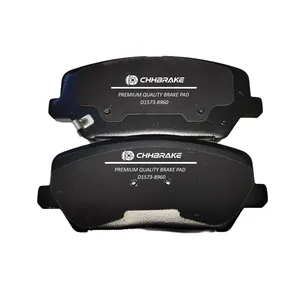
CHHBRAKE Ceramic Brake Pads – The Core Safety Component Evolving Rapidly
When talking about vehicle safety, most drivers focus on tires, airbags or ADAS systems, yet brake pads are the unsung safety foundation. Global regulatory upgrades (Euro 7 emission rules, zero-copper policies), booming new energy vehicle markets, and rising demand for long-life, low-noise consumables have completely reshaped brake pad manufacturing technologies in 2026.
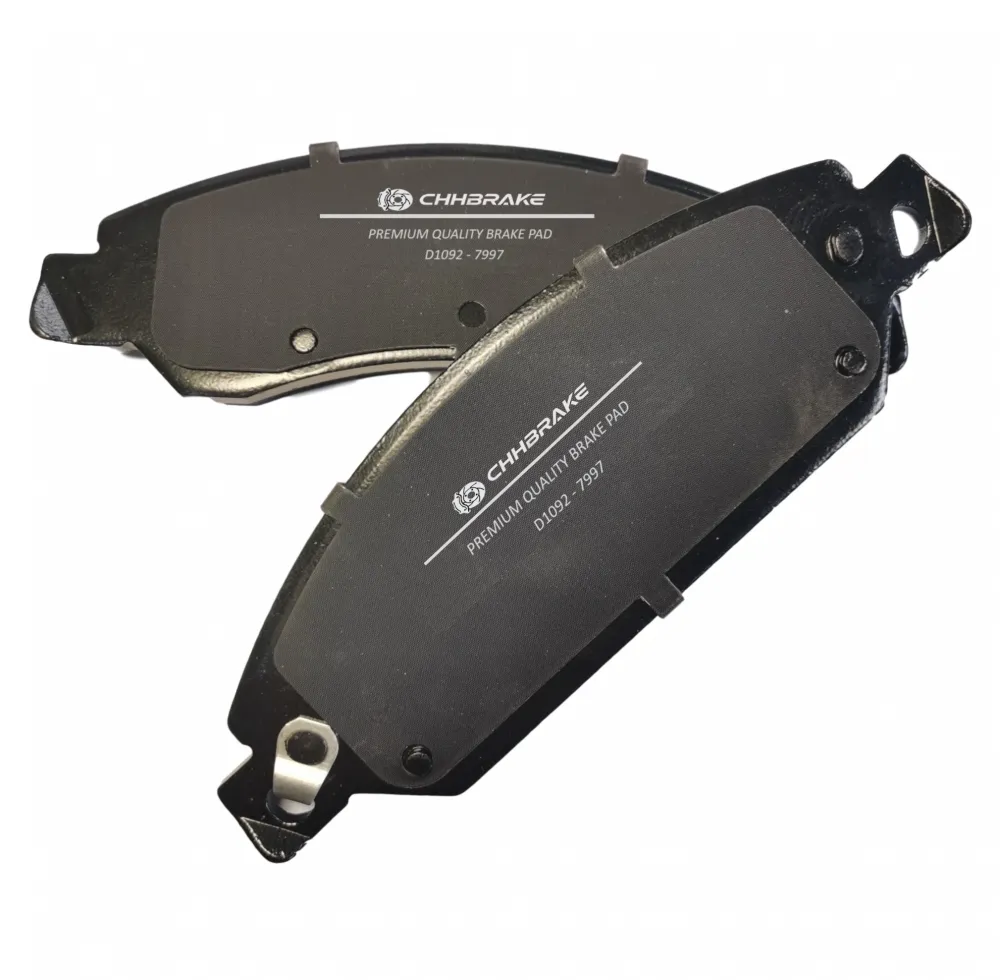
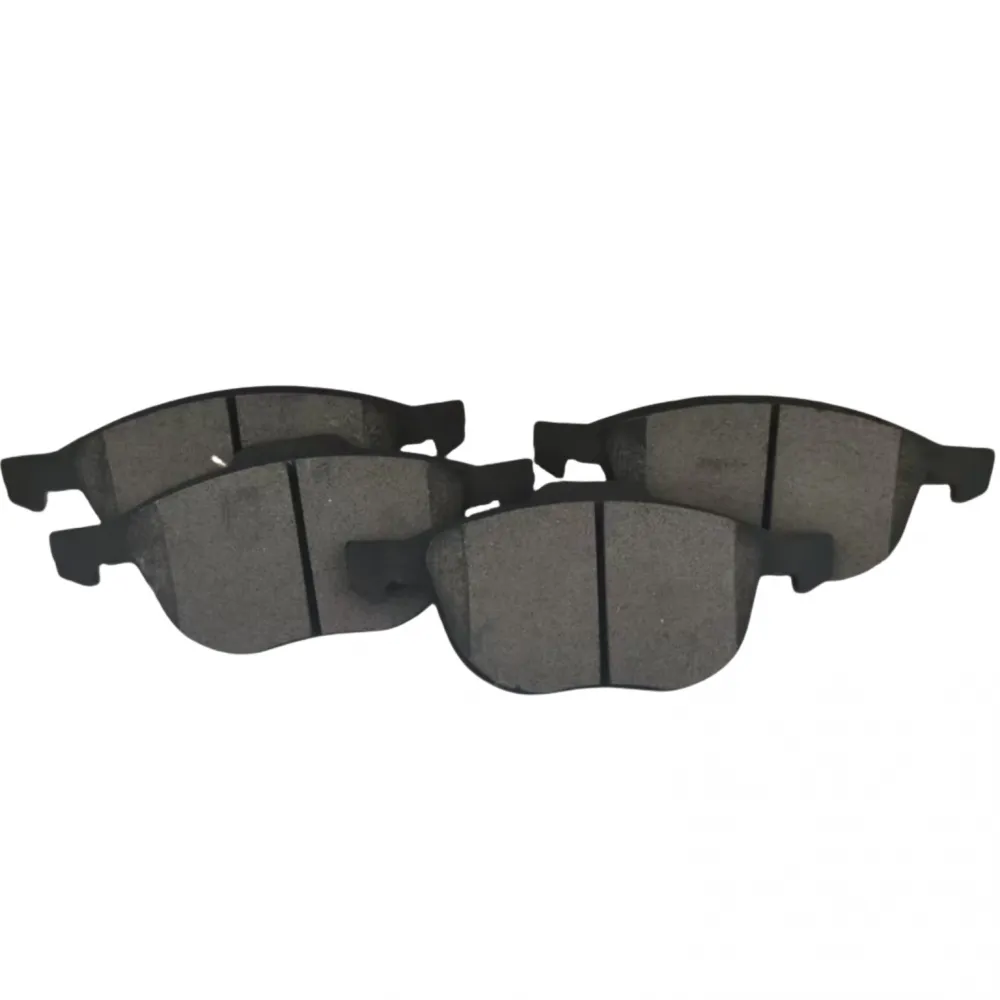
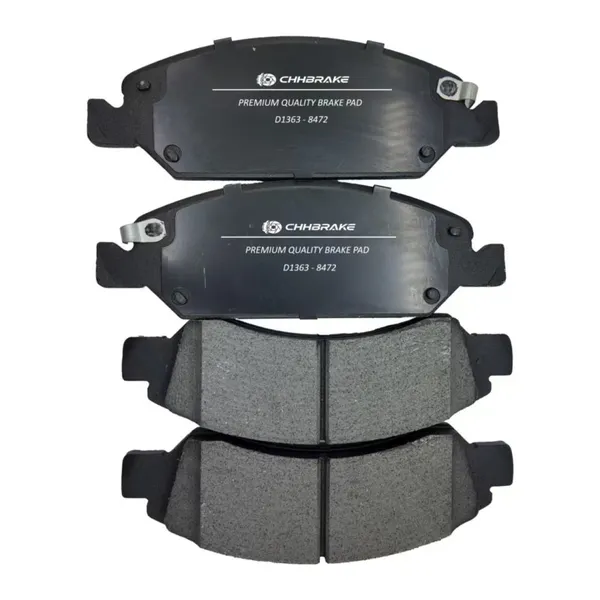
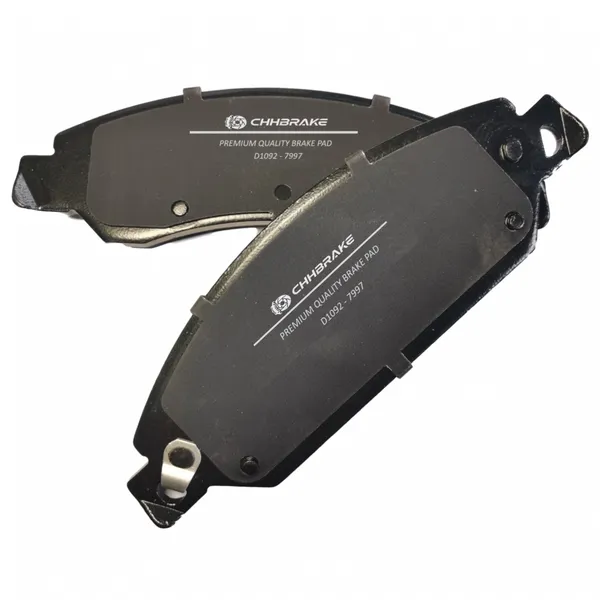
At CHHBRAKE, we have 10+ years of specialized R&D and production experience covering 3,000+ brake pad models for passenger cars, SUVs, light commercial vehicles and EVs worldwide. Our latest generation brake pads integrate 4 core cutting-edge technologies to solve universal pain points: brake fade, abnormal noise, heavy dust, short service life and disc abrasion. Today we break down these game-changing innovations for global partners.
1. Nano Hybrid Ceramic Zero-Copper Formula (Compliant with Global Environmental Standards)
The biggest industry trend in 2026 is strict zero-copper legislation across EU, North America and Southeast Asia. Traditional brake pads with high copper content release toxic particulate dust that pollutes water sources and violates Euro 7 PM2.5 emission limits.
CHHBRAKE’s flagship nano hybrid ceramic formula replaces copper with reinforced carbon aramid fiber, basalt mineral powder and nano-titanium carbide particles, achieving copper content below 0.3% (far lower than legal limits). Key technical strengths:
- Stable friction coefficient 0.38–0.42 across -40℃ to 800℃; no brake fade during downhill or continuous hard braking
- 70% less brake dust vs semi-metallic pads, keep vehicle wheels clean long-term
- Ultra-gentle friction surface, reduce brake disc wear by 35%, extend rotor service cycle
- Zero asbestos, heavy metal-free, fully certified for EU, US, Middle East markets

Contact Us
Recommended Products
-
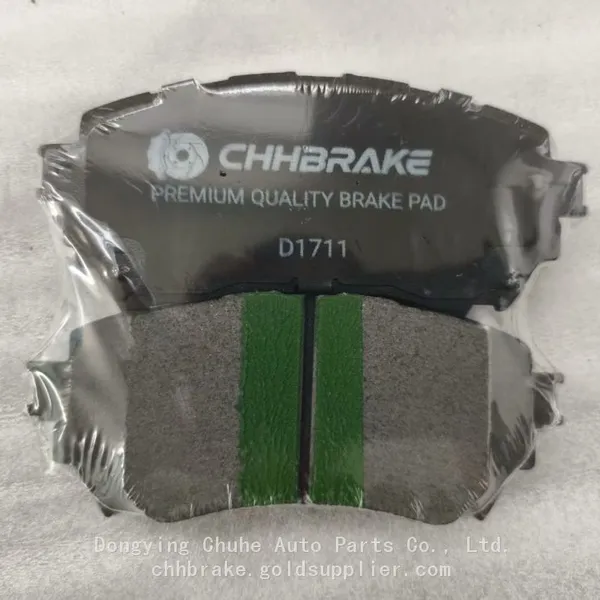
 China Brake Pads Factory CHHBRAKE Original Ceramic Brake Pads for All CarsUS$ 4MOQ: 100 Sets
 -
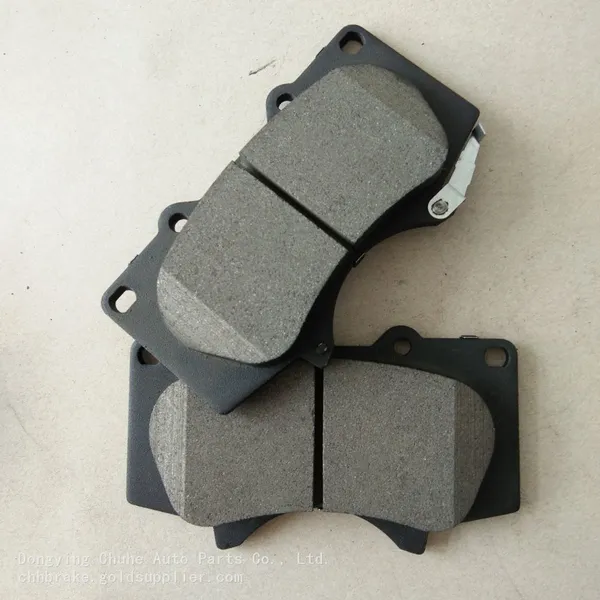
China Brake Pads Factory CHHBRAKE Titanium Ceramic Brake Pads for CarsUS$ 4MOQ: 100 Sets
-
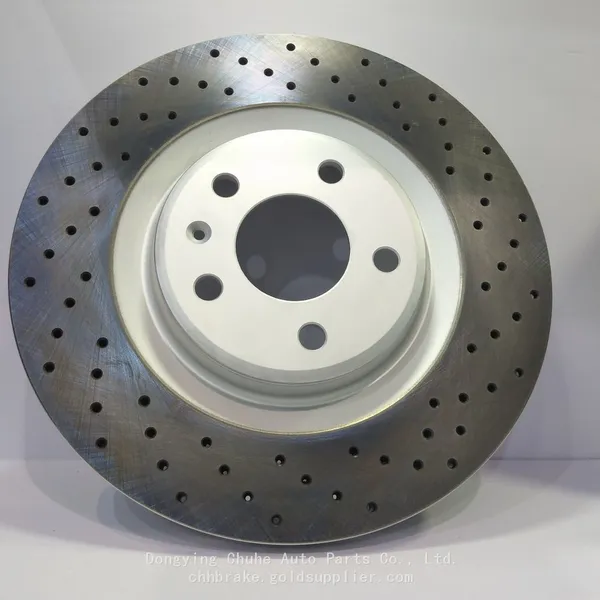
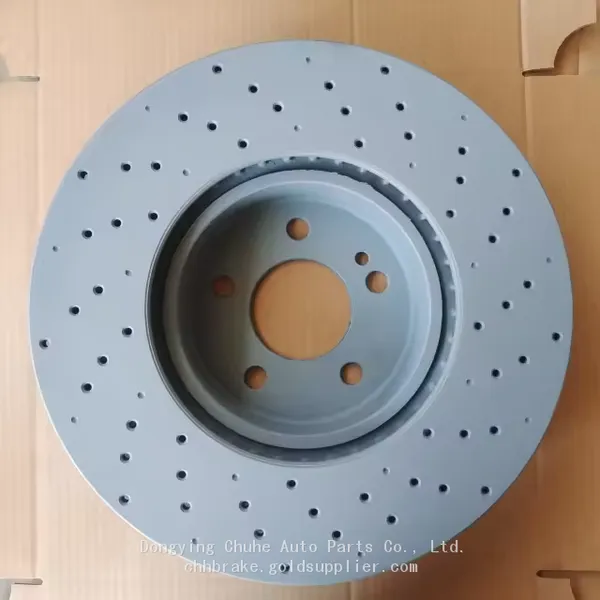
CHHBRAKE High Performance Brake Rotors Brake Discs WholesaleUS$ 8MOQ: 100 Pieces
-
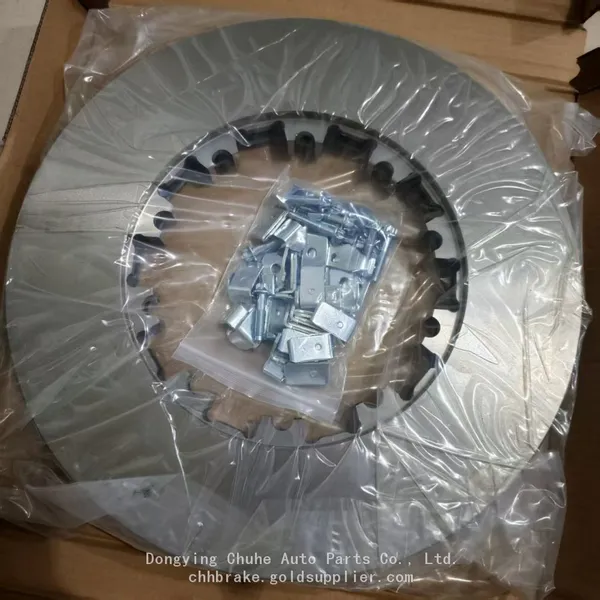
CHHBRAKE 1387439 BRAKE DISC FOR DAF TRUCK NEW AND OLD MODELUS$ 8MOQ: 100 Pieces
-
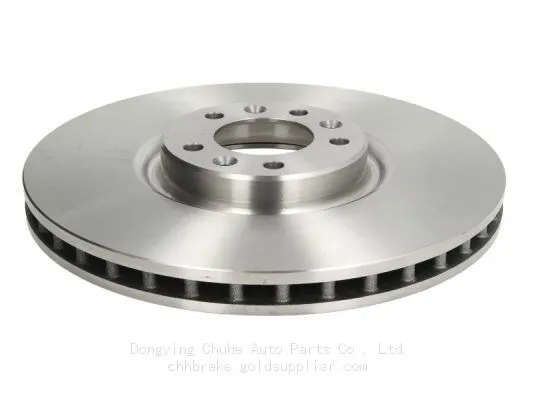
CHHBRAKE 424988 Brake Disc Rotor for PEUGEOT 508US$ 8MOQ: 100 Pieces
-
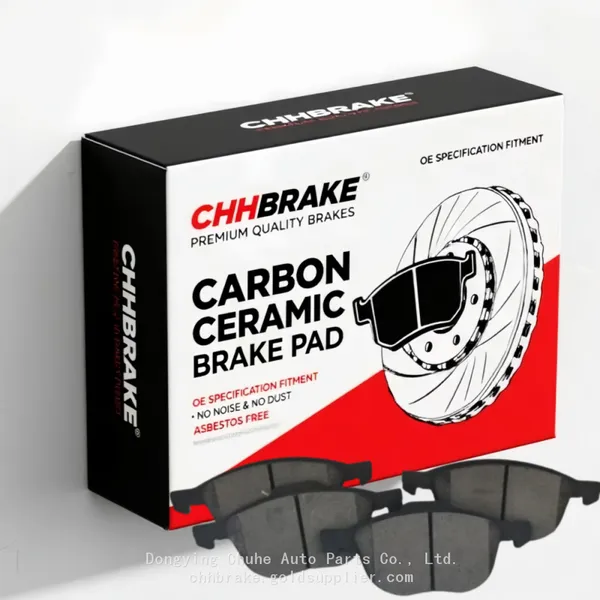
China Disc Brake Pad Factory CHHBRAKE Carbon Ceramic Disc Brake Pads no Noise no DustUS$ 5MOQ: 100 Sets
-
CHHBRAKE no Noise Ceramic Brake Pads for Cars With Quality GuanranteeUS$ 4MOQ: 100 Sets
-
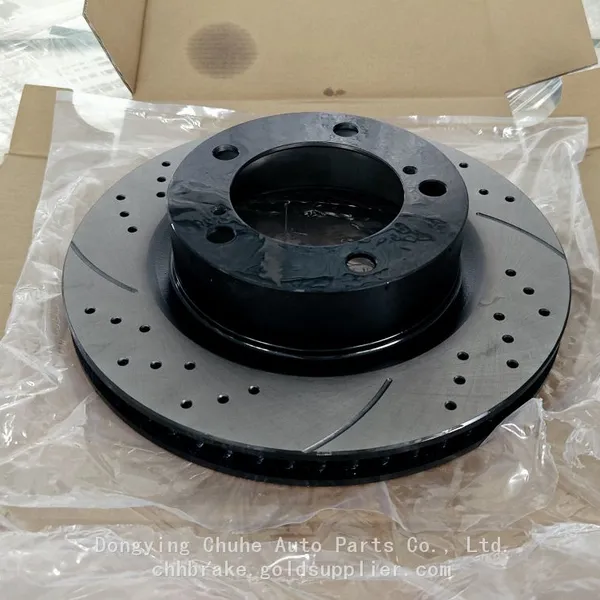
CHHBRAKE UPGRADE PERFORMANCE BRAKE DISC ROTORSUS$ 8MOQ: 100 Pieces
-
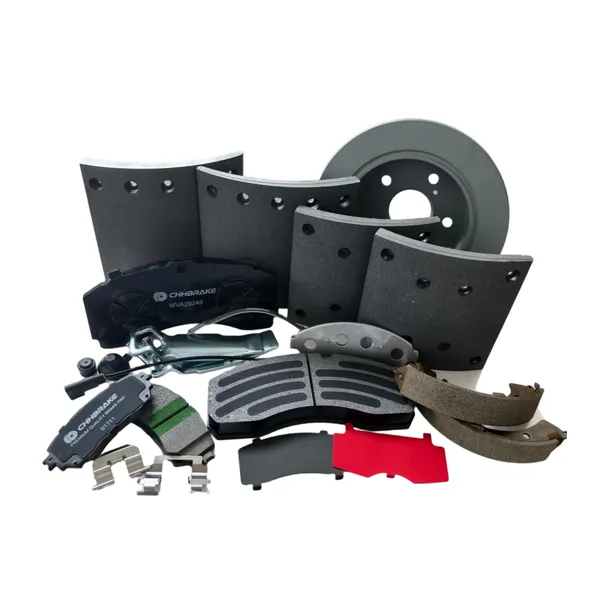
CHHBRAKE CV BRAKE PAD BRAKE LINING FOR TRUCKSUS$ 10MOQ: 100 Sets
-
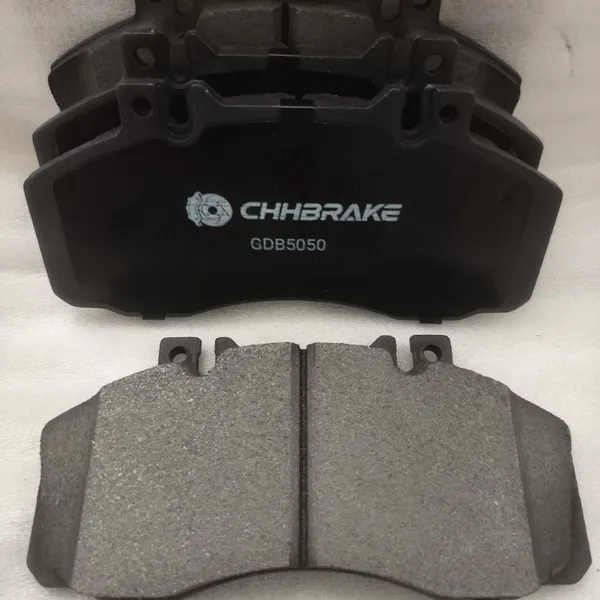
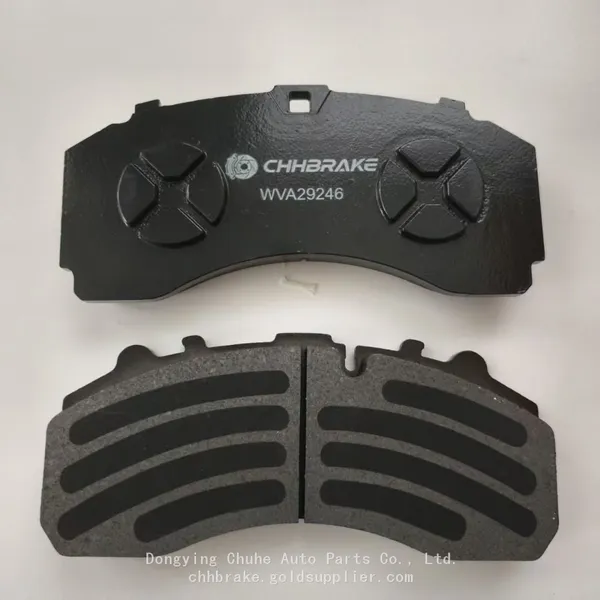
CHHBRAKE Commercial Vehicles Heavy Duty Brake Pads and Brake Lining Top Quality Factory Price 29087US$ 10MOQ: 100 Sets
-
Top Quality CHHBRAKE Carbon Ceramic Disc Brake Pads no Noise no DustUS$ 5MOQ: 100 Sets
-
CHHBRAKE Semi Metallic Brake Pads Factory High Temperature ResistanceUS$ 5MOQ: 100 Sets
-
China Brake Pads no Noise Car Disc Pads CHHBRAKEUS$ 5MOQ: 100 Sets
-
China CHHBRAKE No Noise No Dust Balatas Pastillas de Freno Brake PadUS$ 5MOQ: 100 Sets
-
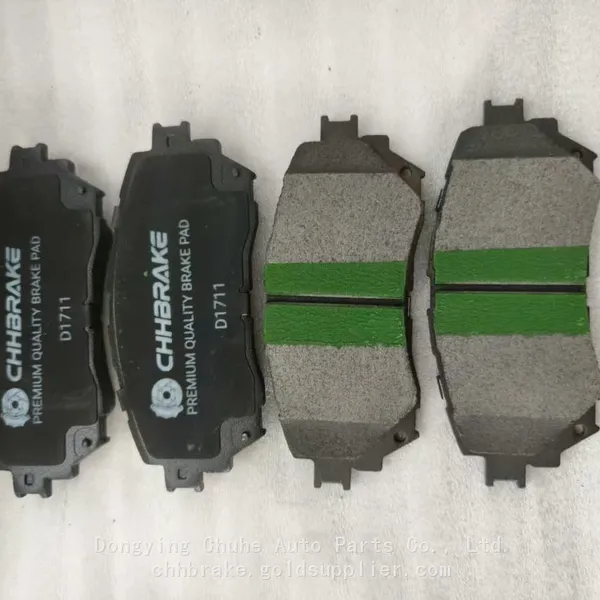
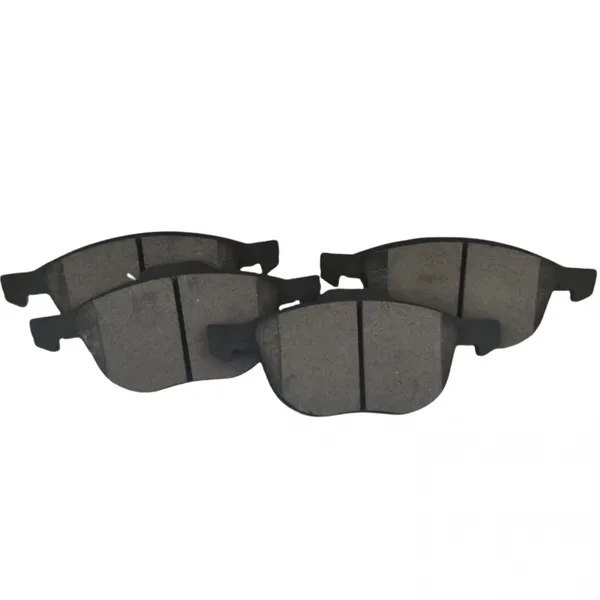
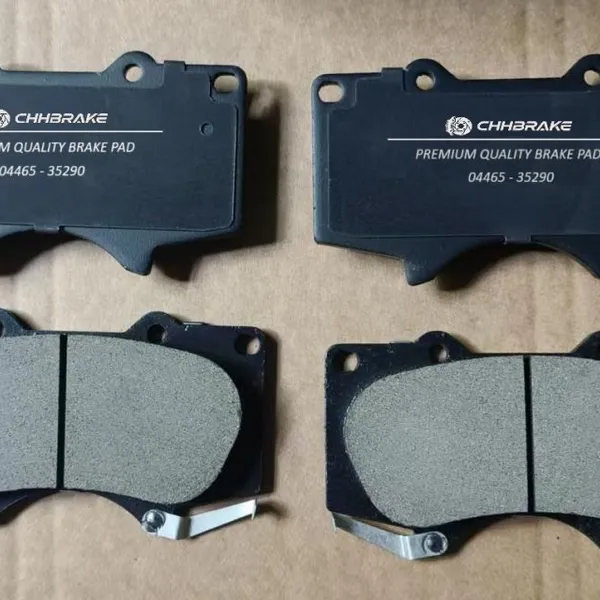
CHHBRAKE Balatas Pastillas de Freno Brake Pads Wholesale ChinaUS$ 5MOQ: 100 Sets
-
China Brake Disc Rotor Wholesale Disco de FrenoUS$ 8MOQ: 100 Pieces
-
CHHBRAKE Top Quality Ceramic Brake Pad ChinaUS$ 5MOQ: 100 Sets
-
CHHBRAKE Heavy Duty Truck Brake Rotor DiscUS$ 10 - 30MOQ: 100 Pieces
-
CHHBRAKE Carbon Ceramic Brake Pad for CarUS$ 5MOQ: 100 Sets
-
Best Quality Japanese Car Brake Disc Rotor SupplierUS$ 8MOQ: 100 Pieces